


 Danish Wadhwa
 Dr. Varun Bajaj, MD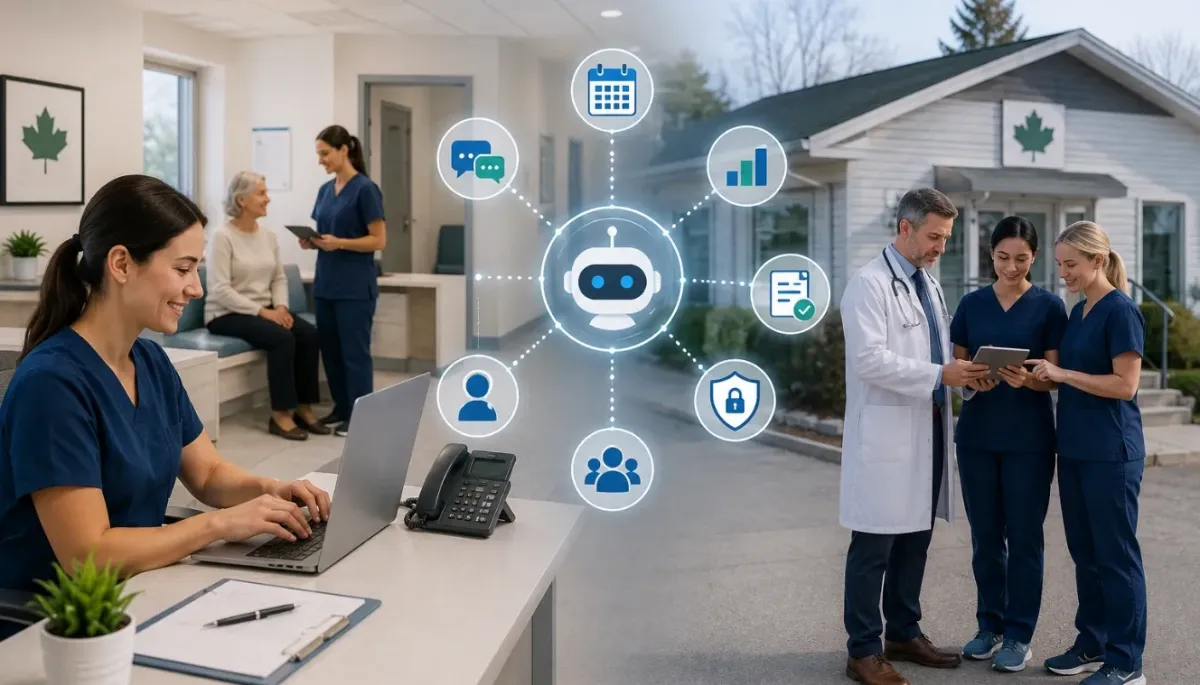
- Big hospitals have larger teams, bigger budgets, and stronger brand recognition, but bigger doesn’t always mean better.
- Large hospitals often struggle with long wait times, slow communication, and impersonal patient experiences.
- Small clinics have an advantage hospitals can’t easily replicate: speed, flexibility, and personalized care.
- With the right automation tools, small clinics can scale those strengths without dramatically increasing overhead.
- Seven automation strategies help small clinics compete: AI scribes, 24/7 booking, automated reminders, AI receptionists, digital intake, better communication, and review automation.
Why do big hospitals often struggle with patient experience?
Large healthcare systems manage thousands of patients, departments, and administrative processes, which often creates friction. Patients commonly deal with long wait times, delayed callbacks, complicated scheduling systems, long paperwork processes, and impersonal communication.
Even though hospitals offer broad services, the patient experience can often feel frustrating — creating opportunities for smaller clinics. Patients often prefer providers that offer faster service and better communication, and small clinics can deliver exactly that.
How does automation help small clinics compete?
Automation helps smaller clinics operate like much larger organizations without hiring large teams. Instead of adding more staff to handle repetitive work, clinics can automate tasks that consume valuable time, including:
- Appointment scheduling
- Reminders
- Patient follow-ups
- Intake forms
- Communication workflows
- Review requests
Automation allows small clinics to stay lean while delivering a smoother patient experience, and that can become a major competitive advantage.
How can small clinics use automation to compete with hospitals?
- Use AI scribes to reduce administrative work. Doctors often spend hours documenting appointments after clinic hours, leading to burnout and limiting patient capacity. AI scribes automatically generate structured notes during appointments, meaning less manual documentation, fewer late-night charting sessions, more time with patients, and increased appointment capacity.
- Offer 24/7 appointment booking. Patients don’t want to wait until your clinic opens to schedule an appointment. Online booking allows patients to schedule anytime, reducing missed opportunities, phone tag, and front desk workload.
- Automate appointment reminders and follow-ups. No-shows hurt small clinics far more than large hospitals — a missed appointment can leave major gaps in your daily schedule and directly impact revenue. Automated text and email reminders, confirmations, and follow-up messages let patients confirm, cancel, or reschedule before the appointment, keeping schedules full. Many clinics also use patient recall software to bring back inactive patients for recurring visits, annual checkups, and follow-up care.
- Use AI receptionists to capture more patients. Small clinics may not have large call center teams, but that doesn’t mean they need to miss patient opportunities. Patients often call after work, during lunch breaks, evenings, and weekends — if no one answers, they may move on to another clinic. AI reception tools can answer calls, handle basic questions, schedule appointments, and respond after hours.
- Digitize patient intake. Paperwork slows everything down. Long intake forms can frustrate patients and create bottlenecks at check-in. Digital intake systems allow clinics to send medical history forms, intake documents, and consent forms before patients arrive.
- Build stronger patient relationships through better communication. This is where small clinics often outperform hospitals. Patients value personal attention, and automation helps clinics maintain that personal touch while scaling communication through faster responses, appointment updates, follow-up messages, and live chat support.
- Use review automation to build local trust. Big hospitals often rely on established brand recognition, but small clinics need trust signals. Online reviews help build that trust quickly, and automated review requests help clinics consistently generate reviews without relying on staff to ask manually. A strong review profile can help smaller clinics compete with larger healthcare brands in local search results.
How does HiClinic help small clinics scale without hiring more staff?
Most small clinics don’t need massive teams — they need smarter systems that help them operate efficiently. Instead of functioning like a traditional software platform that simply stores information, HiClinic helps clinics automate the communication tasks that often lead to lost revenue.
It helps clinics:
- Instantly respond to missed calls through text
- Automate appointment reminders
- Bring inactive patients back with recall campaigns
- Generate more patient reviews
- Reduce front desk workload
- Convert website visitors into appointments
This allows small clinics to compete with larger healthcare systems while maintaining a more personalized patient experience — and that’s often where smaller clinics win.
Key takeaways
- Small clinics do not need hospital-sized budgets to grow — they need speed, efficiency, and better patient communication.
- Automation reduces administrative work, improves patient experiences, and helps clinics compete with larger healthcare systems without burning out staff.
- The clinics that adopt smarter systems now will be better positioned to grow in the years ahead.
Curious how automation would fit your clinic? Book a free demo and we will walk through your workflow together.